
PaleoVisions of Chauvet Cave: Virtual Reality at the intersection of art, anthropology, and digital humanities
Abstract
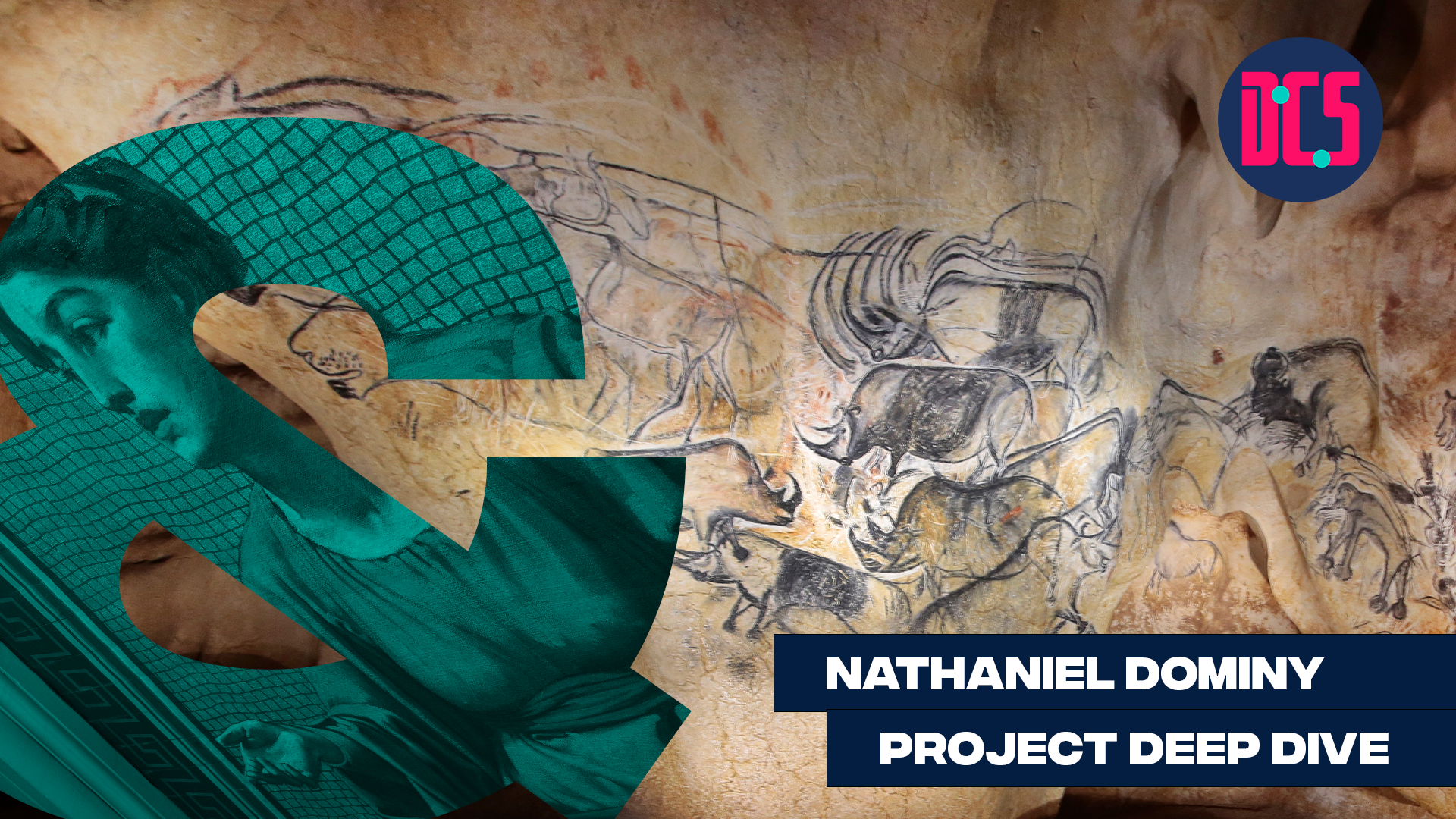
Public perceptions of Paleolithic cave art are dominated by a few iconic compositions––e.g., the aurochs of Lascaux, the cave lions of Chauvet––but these images are based on well-lit photos or facsimile sketches. The caves themselves are closed to the public, although some (Altamira, Chauvet) invite tourism with full-scale replicas. Replica caves are effective for dispelling misconceptions of self-contained compositions––visitors experience narratives that unfold around them, but they are also brightly lit, and "nothing," wrote Sigfried Giedon, "is more destructive to the true values of prehistoric art than the glare of electric light.” This then, is the state of things: it is difficult to visualize how cave art was experienced by Paleolithic peoples, and it is challenging to determine with any confidence the intent or meaning of individual artworks in wider webs of cultural practice. One way to surmount these barriers is to simulate the properties of firelight in a free open-source virtual reality (VR) environment (tentatively called PaleoVision). Such a simulation raises the possibility of using citizen-science approaches to test hypotheses regarding artistic intention, a secondary aim that begins to blur the traditional distinctions between digital humanities and social sciences, while simultaneously bridging the interests of faculty engaged in digital engagement, outreach, and cultural heritage, all areas of great strength at the University of Edinburgh. This talk will report on our progress toward these aims.
Speaker Biography
Nathaniel Dominy is the Charles Hansen Professor of Anthropology at Dartmouth College. His research pivots around the ecology and evolution and primate feeding adaptations, with a particular focus on human sensory systems. He is a Fellow of the American Association for the Advancement of Science and a past holder of several visiting fellowships, including a 2023 Digital Scholarship Research Fellowship at the Institute for Advanced Studies in the Humanities, University of Edinburgh. It was one of the most rewarding experiences of his career.
Event Information
This is a webinar, which means that attendees’ microphones and cameras will be off. There will be opportunities for participants to turn their microphone on and ask questions during the discussion. This event will have live captions. Please inform us of any access requirements by emailing cdcs@ed.ac.uk. Further details about how CDCS uses your information obtained from booking onto our events can be found at in our Events Privacy Statement.
Event Recording
First broadcast on 11 October 2023.
This recording is licensed under CC BY 4.0.
To watch in full screen mod via Media Hopper, click here.